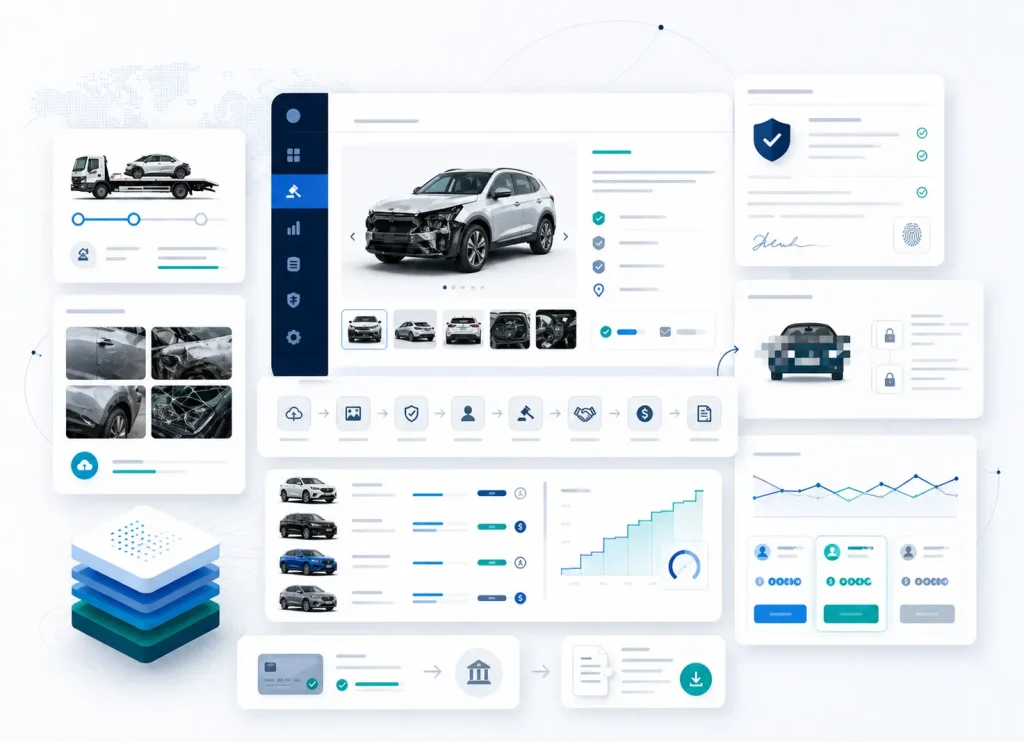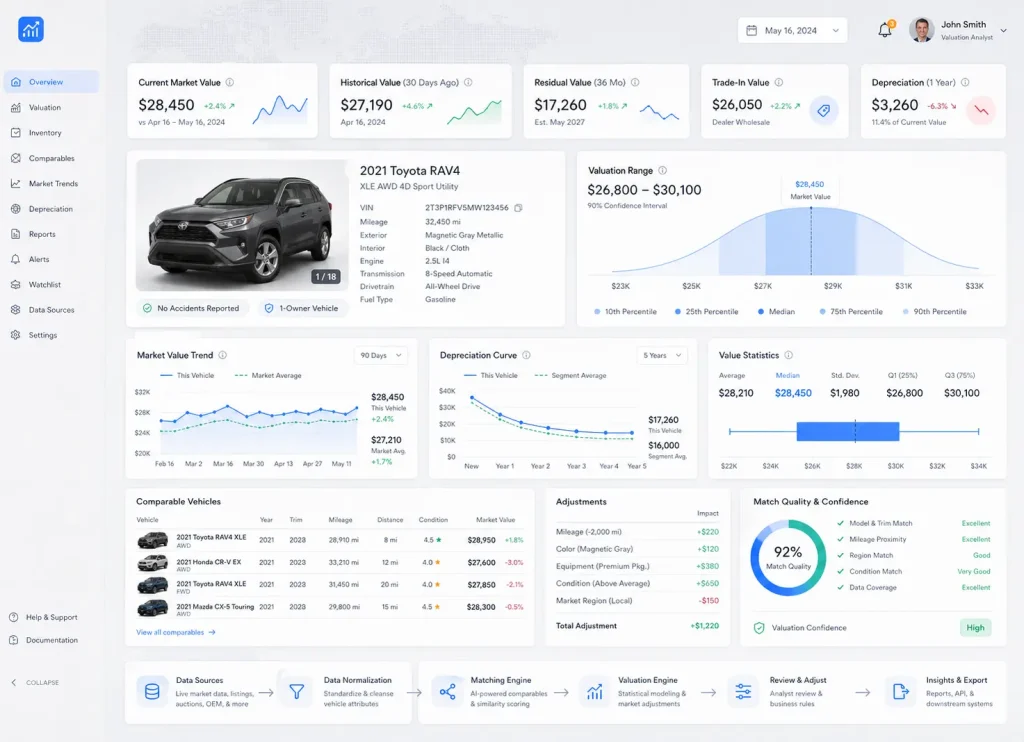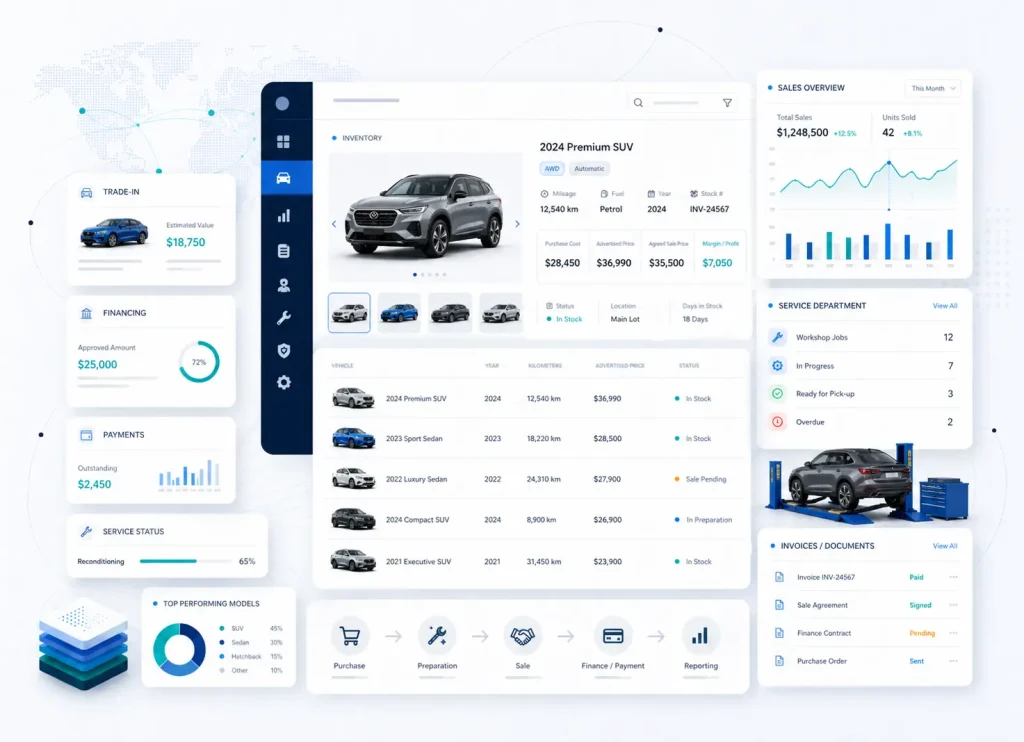
As automotive data platforms grow, they often accumulate technical debt. User interfaces, business logic, APIs, and databases become tightly coupled in a single monolithic application. This makes the system difficult to maintain, slow to develop, and challenging to scale.
We undertook a major modernization initiative – building a new, purpose-built API platform to serve as the central data hub for automotive information. The platform now processes, prepares, and delivers vehicle data to multiple downstream systems and services.
The Challenge
The existing system had grown organically over many years and presented several problems:
- Monolithic architecture – user interfaces, business modules, APIs, and data storage all tightly coupled in one application
- Legacy codebase – older PHP code without modern patterns, making changes risky and time-consuming
- Mixed responsibilities – the same system handled both data processing and end-user applications
- Difficult maintenance – changes in one area could unexpectedly affect others
- Performance limitations – the architecture wasn’t optimized for high-volume API delivery
- Slow development velocity – adding new features required navigating complex interdependencies
- Testing challenges – tightly coupled code made comprehensive testing difficult
What We Did
We designed and built a modern API platform from the ground up using current best practices:
Modern Technology Stack
- Latest Laravel framework version
- Current PHP version with full type safety
- MariaDB with optimized schema design
- Redis caching layer for high-performance data delivery
Clean Modular Architecture
- Separated concerns into distinct modules: valuations, vehicle data, market data, and others
- Each module independently maintainable and testable
- Clear boundaries between data ingestion, processing, and delivery
Professional Code Structure
- Service layer for business logic encapsulation
- Repository pattern for data access abstraction
- Data Transfer Objects (DTOs) for clean data representation
- Comprehensive test coverage ensuring reliability
Dual-Purpose Design
- Inbound integrations: APIs, scraping systems, and various databases feed data into the platform
- Outbound API: clean, fast endpoints deliver processed data to consuming applications
Performance & Reliability
- Intelligent caching strategies for frequently accessed data
- Optimized queries and indexing
- Improved response times across all endpoints

The Results
- Modular architecture enabling independent development and deployment
- Modern, maintainable codebase using Laravel best practices
- Clean separation of data processing from data delivery
- Comprehensive test coverage ensuring reliability with every change
- Faster feature development - new modules can be added without affecting existing ones
- Centralized data hub serving multiple downstream applications
- Performance improvement in API response times
- Scalable foundation ready for future growth
Technologies Used
Let's Start the Conversation
Tell us about your challenge. We’ll share relevant experience and outline a practical path forward.